

المقدمة
يُعد اختيار وسيلة الشحن المناسبة أحد أهم القرارات في مجال الخدمات اللوجستية الدولية. فأسلوب النقل الذي تختاره يؤثر بشكل مباشر على وقت التسليم، وتكاليف الشحن، وسلامة البضائع، وكفاءة سلسلة التوريد بشكل عام.
فهم الشركات لكيفية مطابقة متطلبات الشحن مع وسيلة النقل المناسبة يمكن أن يقلل بشكل كبير من المخاطر التشغيلية ويجنبها التأخيرات غير الضرورية.
في هذا المقال، نستعرض أبرز خيارات الشحن وكيفية تحديد الحل الأنسب لشحنتك.
الشحن البحري: خيار اقتصادي للكميات الكبيرة
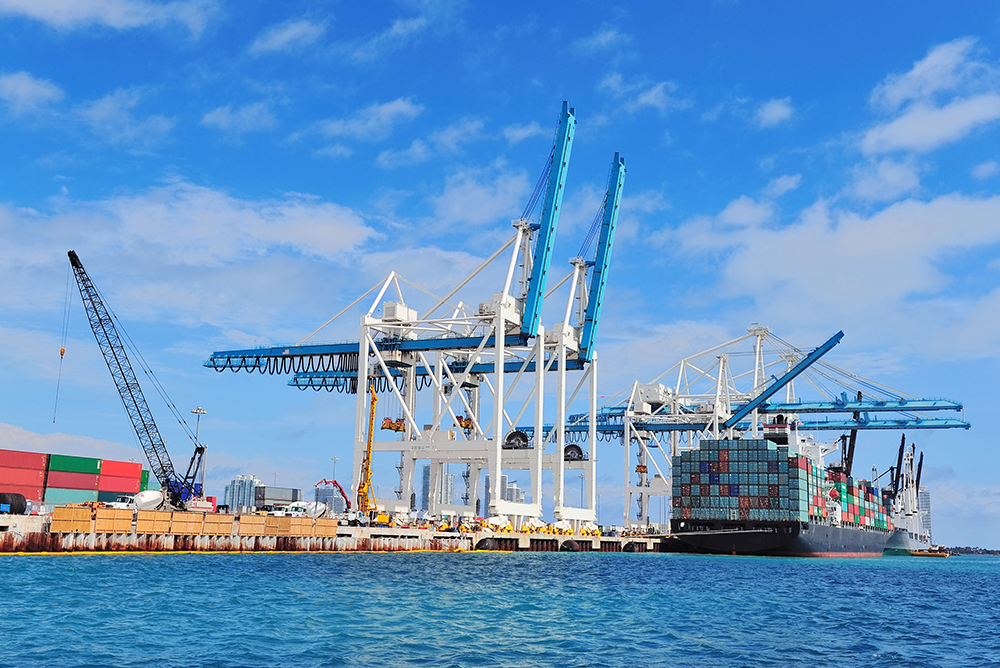
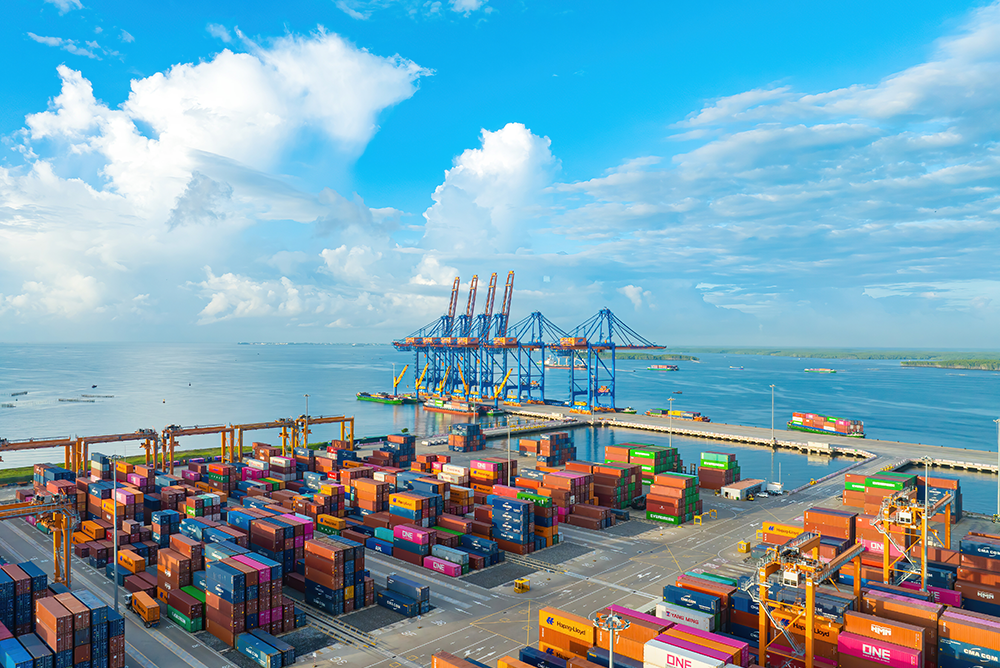
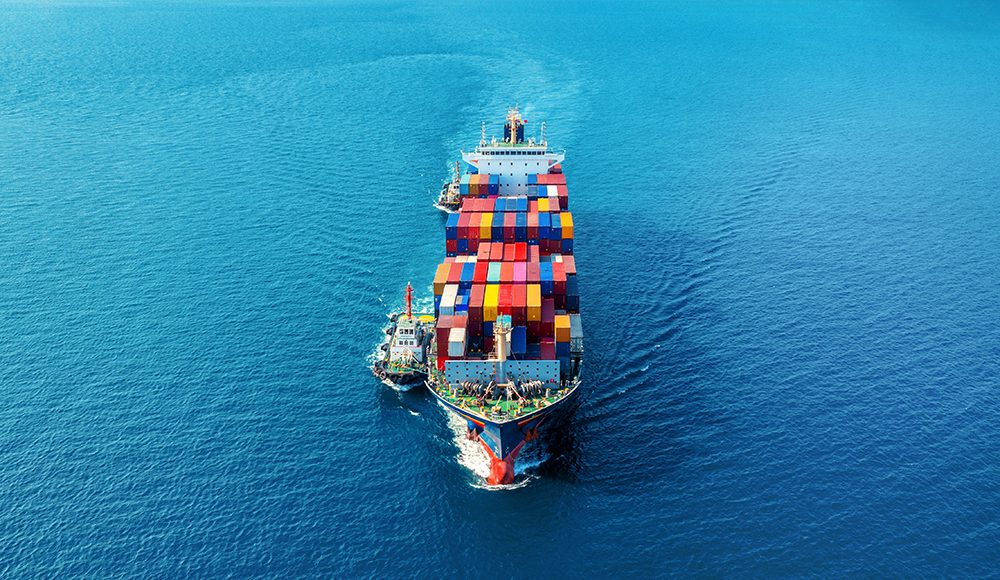
يُعد الشحن البحري الخيار الأكثر توفيرًا للشحنات الكبيرة والثقيلة التي لا تتطلب تسليمًا عاجلًا. ويُستخدم على نطاق واسع لشحن الحاويات الكاملة (FCL) والشحنات المجمعة (LCL) عبر خطوط التجارة العالمية.
الأكثر ملاءمة لـ:
• البضائع السائبة
• المعدات الصناعية
• إعادة تزويد المخزون التجاري
• التخطيط طويل الأجل لسلاسل التوريد
المزايا:
• تكلفة أقل لكل وحدة
• مناسب للشحنات ذات الأحجام الكبيرة أو غير القياسية
• خيارات متنوعة للحاويات
اعتبارات مهمة:
• فترات نقل أطول
• احتمالية ازدحام الموانئ
• تأخيرات مرتبطة بالأحوال الجوية
الشحن الجوي: سرعة للشحنات العاجلة
يُعد الشحن الجوي الخيار المثالي عندما تكون السرعة أولوية قصوى. ويُستخدم بشكل شائع لنقل المستلزمات الطبية والإلكترونيات وقطع الغيار والبضائع التجارية العاجلة.
الأكثر ملاءمة لـ:
• المنتجات عالية القيمة
• الشحنات الطارئة
• الشحنات الطبية والدوائية
• قطع الغيار الحيوية لاستمرار الإنتاج
المزايا:
• سرعة عالية في النقل
• مستوى أمان مرتفع
• جداول تشغيل موثوقة
اعتبارات مهمة:
• تكاليف شحن أعلى
• قيود على الوزن والحجم
النقل البري: مرونة واتصال إقليمي فعال
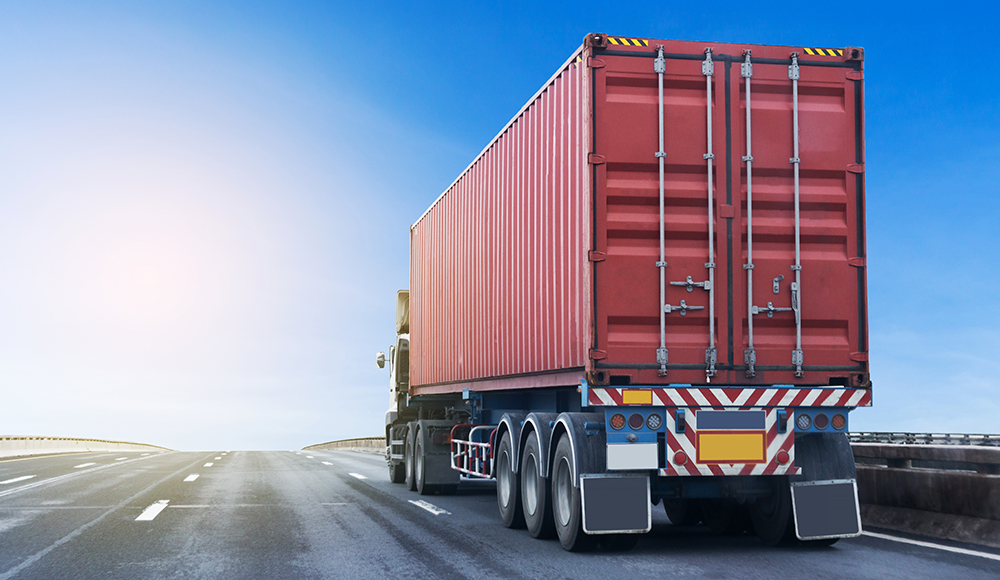
يلعب النقل البري دورًا أساسيًا في التوزيع المحلي والتجارة عبر الحدود، حيث يوفر خدمات التوصيل من الباب إلى الباب مع مرونة كبيرة في اختيار المسارات.
الأكثر ملاءمة لـ:
• التوزيع الإقليمي
• التجارة عبر الحدود
• تزويد مواقع المشاريع
• توزيع البضائع من وإلى المستودعات
المزايا:
• تسليم مباشر
• جداول مرنة
• سهولة تعديل المسارات
اعتبارات مهمة:
• تأخيرات محتملة عند المعابر الحدودية
• تأثير الازدحام المروري وحالة البنية التحتية
الحلول متعددة الوسائط: الجمع بين الكفاءة والسرعة
في العديد من الحالات، يوفر الجمع بين أكثر من وسيلة نقل أفضل توازن بين التكلفة ومدة التسليم. وتعتمد الخدمات اللوجستية متعددة الوسائط على دمج النقل البحري والجوي والبري ضمن خطة شحن موحدة ومنسقة.
فوائد النقل متعدد الوسائط:
• تحسين أوقات العبور
• التحكم في التكاليف
• تقليل مخاطر المناولة المتكررة
• مرونة أكبر في اختيار المسارات
يقوم مزودو الخدمات اللوجستية المحترفون بتصميم استراتيجيات النقل متعدد الوسائط وفقًا لنوع البضاعة والمواعيد النهائية والمتطلبات التنظيمية.
العوامل الرئيسية التي يجب مراعاتها عند اختيار وسيلة الشحن
عند اختيار طريقة النقل المناسبة، ينبغي تقييم ما يلي:
• حجم ووزن الشحنة
• مدى إلحاح موعد التسليم
• حدود الميزانية المتاحة
• المتطلبات الجمركية والتنظيمية
• مستوى المخاطر واحتياجات التأمين
• سهولة الوصول إلى الوجهة النهائية
يساعد التقييم الدقيق لهذه العوامل على ضمان توافق عمليات النقل مع احتياجات الأعمال وتجنب الاضطرابات المكلفة.
الخاتمة
إن اختيار وسيلة الشحن المناسبة لا يتعلق فقط بعملية النقل، بل يُعد عنصرًا أساسيًا في حماية أداء سلسلة التوريد وضمان استمرارية الأعمال. كما أن التعاون مع مزود خدمات لوجستية ذي خبرة يتيح الحصول على استشارات متخصصة ومسارات نقل محسّنة والالتزام الكامل بالمتطلبات التنظيمية في جميع مراحل الشحن.
ومن خلال اعتماد استراتيجية النقل المناسبة، يمكن للشركات تعزيز موثوقية عملياتها، والتحكم في التكاليف، والحفاظ على قدرتها التنافسية في الأسواق العالمية.